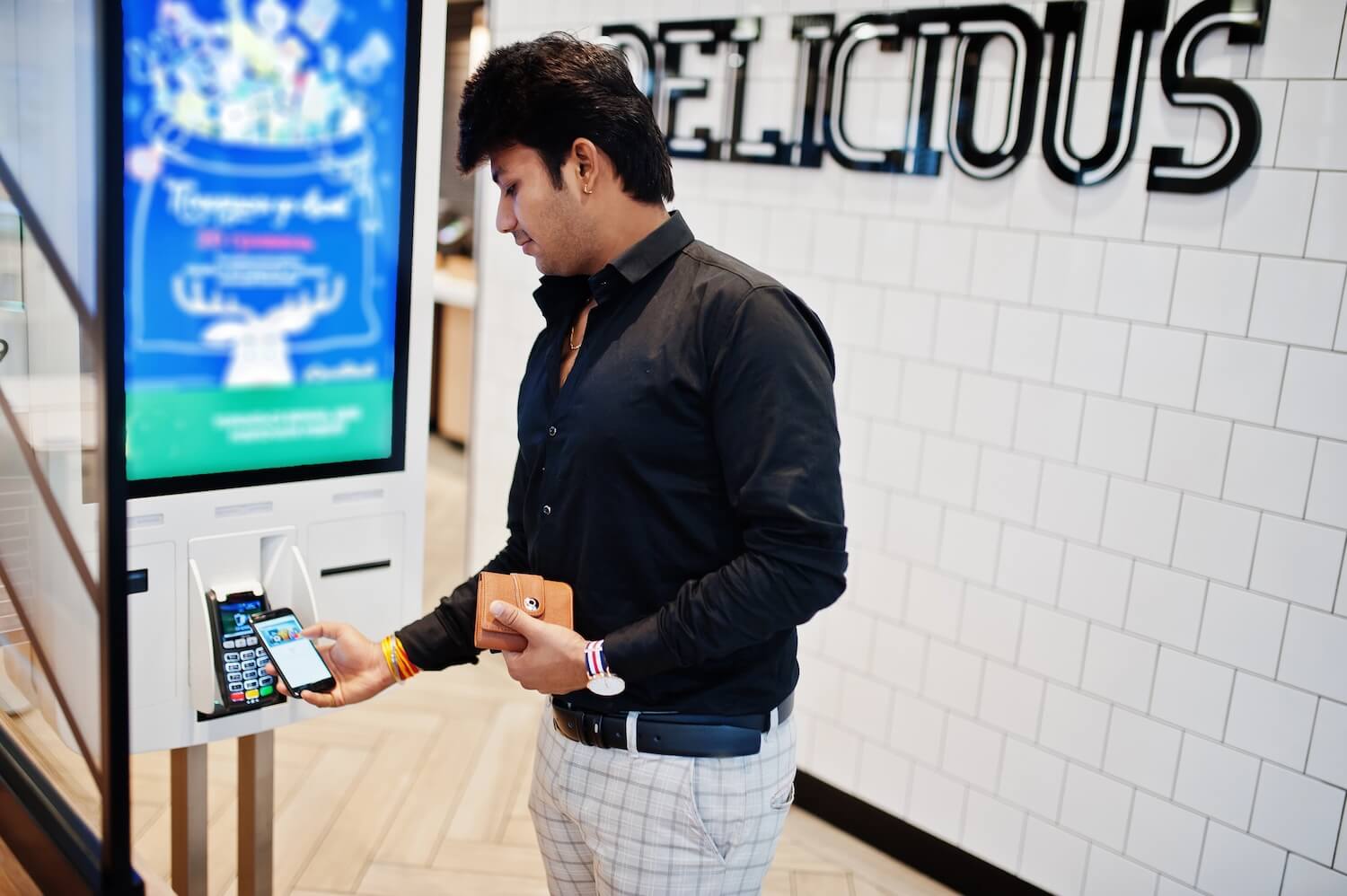



Silent Salespeople: How Self-Service Kiosks Are Helping The Bottom Line
In today’s competitive marketplace, businesses are under constant pressure to improve efficiency whilst maintaining exceptional customer experiences. Enter self-service kiosks, the silent salespeople that are quietly revolutionising operations across retail, dining, and hospitality sectors. These digital workhorses deliver measurable improvements to productivity metrics, customer satisfaction scores, and bottom-line results that traditional service counters simply cannot match.
The Numbers Don’t Lie: Productivity Gains That Matter
When examining the impact of self-service kiosks on business operations, the productivity improvements are striking across multiple key performance indicators.
Transaction Speed and Throughput
Recent industry studies reveal that self-service kiosks process transactions significantly faster than traditional staffed counters. Quick-service restaurants report substantially faster order processing during peak hours, whilst retail self-checkout systems handle considerably more transactions per hour than staffed tills. Hotel check-in kiosks have proven particularly impressive, dramatically reducing average processing time compared to traditional reception desk service.
Major supermarket chains have found that their self-checkout systems process significantly more transactions per kiosk per day compared to staffed checkouts during the same period. This substantial increase in throughput directly translates to reduced queue times and improved customer flow.
Labour Efficiency Optimisation
The deployment of self-service kiosks allows businesses to reallocate human resources to higher-value activities. One staff member can oversee multiple self-service units simultaneously, whilst employees can focus on complex customer inquiries and relationship building. Additionally, businesses see reduced staffing requirements during off-peak hours without compromising service availability.
Operational Hours Extension
Unlike human staff, self-service kiosks operate continuously without breaks, holidays, or shift changes. This round-the-clock availability increases revenue opportunities whilst reducing overtime costs during extended operating hours. Perhaps most importantly, businesses maintain consistent service quality regardless of time of day.

Customer Satisfaction: Meeting Modern Expectations
Contrary to concerns about impersonal service, self-service kiosks consistently deliver high customer satisfaction scores when properly implemented.
Speed and Convenience Factors
Customer surveys across multiple industries reveal strong preferences for self-service options. Research shows that the majority of customers prefer self-service for routine transactions, with average queue satisfaction scores improving substantially following kiosk implementation. Interestingly, wait time perception decreases even when actual wait times remain constant, highlighting the psychological benefits of customer control over their service experience.
Restaurant chains have found that customer satisfaction scores increased notably after implementing self-ordering kiosks, with speed and accuracy being the most frequently cited improvements.
Control and Customisation Benefits
Self-service kiosks empower customers to control their experience in ways traditional service counters cannot. Customers appreciate having unlimited time to browse options without feeling rushed, easy modification of orders without staff intervention, and consistent upselling presentation without pressure. For sensitive transactions, the privacy afforded by self-service options proves particularly valuable.
Accuracy Improvements
Digital ordering through self-service kiosks eliminates communication errors that plague traditional service interactions. Businesses report dramatic reductions in order mistakes compared to verbal ordering, alongside automatic calculation that prevents pricing errors and clear visual confirmation before transaction completion.
Cost Savings Analysis: The Financial Impact
The most compelling argument for self-service kiosks lies in their substantial impact on operational costs and revenue generation.
Direct Labour Cost Reductions
Immediate savings come from reduced staffing requirements, with businesses typically saving substantial amounts per full-time equivalent position eliminated annually. Additional benefits include reduced recruitment and training costs, plus lower staff turnover rates for remaining positions that focus on customer engagement rather than routine transactions.
Increased Average Transaction Values
Self-service kiosks consistently drive higher spending per customer across all sectors. Restaurant kiosks increase average order value significantly, retail self-service units boost basket size through strategic product placement, and upselling prompts at the point of decision increase add-on purchases substantially.
Operational Efficiency Gains
Beyond direct labour savings, self-service kiosks reduce various operational expenses including decreased cash handling errors and discrepancies, reduced training time for new staff members, lower insurance premiums due to reduced cash exposure, and minimised queue-related customer complaints with their associated service recovery costs.
Revenue Through Extended Service Hours
Many businesses find that self-service kiosks enable profitable operation during previously unviable time periods. Early morning and late evening service becomes feasible without additional staff costs, weekend operation requires only skeleton crews, and holiday service continues without premium labour rates.
Industry-Specific Outcomes
Retail Sector Results
Major retailers have documented impressive results from self-checkout implementations. Leading supermarket chains report meaningful improvements in customer throughput during peak hours, substantial reductions in queue-related complaints, and department stores have found that self-service options have increased customer satisfaction scores considerably.
The average supermarket now processes a majority of transactions through self-service options, with customer adoption rates continuing to grow year-over-year.
Quick-Service Restaurant Performance
The QSR sector has embraced self-service kiosks with remarkable results. Major fast-food chains report significantly faster service during lunch rushes, sandwich shops have documented substantial increases in average order value, and other fast-food restaurants found meaningful reductions in order accuracy complaints.
Comprehensive studies of QSR locations show that those with self-service kiosks achieve notably higher profit margins compared to traditional service-only locations.
Hospitality Industry Gains
Hotels and entertainment venues are seeing significant benefits from self-service kiosks. Major hotel chains have reduced check-in processing time substantially, hospitality groups documented meaningful improvements in lobby flow efficiency, and cinema chains increased concession sales considerably through self-service options.
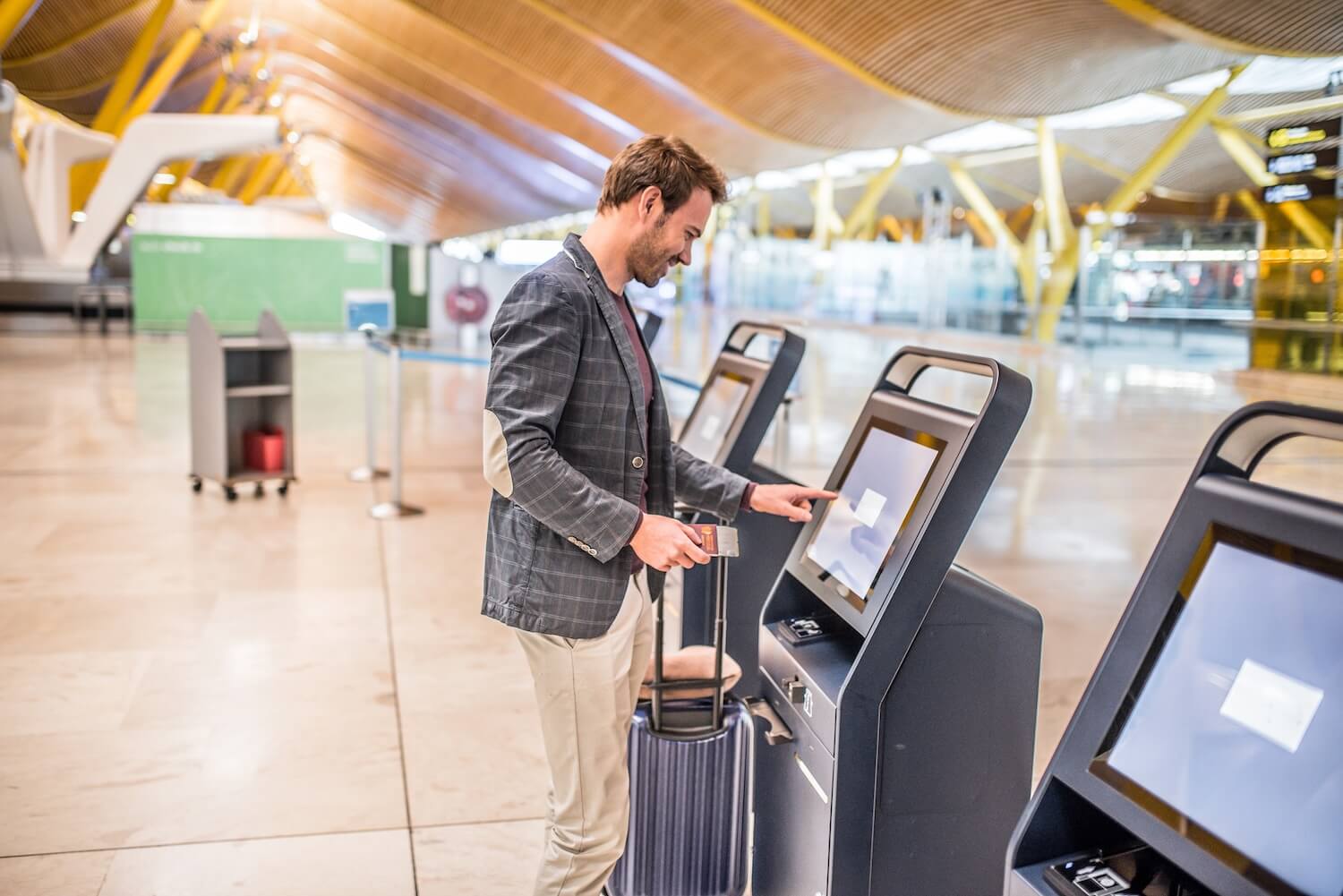
Overcoming Traditional Service Counter Limitations
Self-service kiosks address several inherent limitations of traditional staffed service points:
Consistency Challenges
Human staff performance varies due to factors beyond business control including fatigue affecting service speed and accuracy, mood variations impacting customer interactions, training gaps creating service inconsistencies, and language barriers in diverse markets.
Self-service kiosks deliver identical experiences regardless of external factors, ensuring brand consistency across all customer touchpoints.
Peak Demand Management
Traditional service counters struggle during high-demand periods with queue formation during predictable rush times, staff stress leading to errors and reduced service quality, customer frustration with extended wait times, and revenue loss from customers abandoning queues.
Kiosks scale effortlessly to meet demand spikes without degraded performance or increased error rates.
Cost Scalability Issues
Staffed service points create fixed costs that don’t align with variable demand including full wages during slow periods with low transaction volumes, overtime premiums during busy periods, scheduling complexities to match staff levels with demand patterns, and minimum staffing requirements regardless of actual need.
Implementation Success Factors
The most successful self-service kiosk deployments share common characteristics that maximise their bottom-line impact:
Strategic Placement and Design
Successful implementations focus on high-visibility locations that naturally direct customer flow, intuitive interfaces that minimise learning curves, integration with existing payment and inventory systems, and adequate space for queue formation and privacy.
Staff Integration and Training
Effective deployments include clear protocols for staff assistance when needed, training programs that position kiosks as productivity tools rather than job threats, defined roles for staff oversight and technical support, and customer education initiatives to drive adoption.
Continuous Optimisation
The best results come from regular analysis of usage patterns and customer feedback, interface updates based on user behaviour data, hardware maintenance schedules to ensure consistent performance, and performance metric tracking to quantify business impact.
Future-Proofing Your Investment
Self-service kiosks represent not just current operational improvements but strategic positioning for future market demands:
Changing Consumer Expectations
Younger demographics expect digital-first service options, there’s increased comfort with contactless transactions, growing preference for self-directed customer experiences, and rising expectations for around-the-clock service availability.
Technology Evolution Benefits
Modern kiosk platforms offer upgrade pathways that protect long-term investments through cloud-based software enabling remote feature updates, modular hardware design allowing component upgrades, AI integration possibilities for personalised experiences, and integration with emerging payment technologies.
Measuring Success: Key Performance Indicators
Businesses implementing self-service kiosks should track specific metrics to quantify impact:
Financial Metrics
Important measures include average transaction value comparison between kiosk and traditional service, labor cost per transaction processed, revenue per square foot of floor space, and customer acquisition cost changes.
Operational Metrics
Key indicators include transaction processing speed, error rates and accuracy improvements, queue length and wait time reductions, and staff productivity in redeployed roles.
Customer Experience Metrics
Critical measurements include Net Promoter Score changes, customer satisfaction survey results, repeat visit frequency, and service complaint volume changes.
Addressing Common Concerns
Job Displacement Fears
Rather than eliminating employment, successful kiosk implementations often reshape roles. Staff move to customer experience and relationship management, technical support and maintenance create new skill requirements, increased transaction volume can support business growth and job creation, and higher-value activities improve job satisfaction and career development.
Technology Adoption Barriers
Modern self-service kiosks address traditional user concerns through intuitive interfaces requiring minimal technical knowledge, multi-language support serving diverse customer bases, accessibility features accommodating users with varying abilities, and staff assistance remaining available for complex transactions.
The Competitive Advantage
Businesses that effectively implement self-service kiosks gain sustainable competitive advantages including lower operational costs enabling competitive pricing strategies, improved customer experience driving loyalty and word-of-mouth marketing, enhanced data collection providing insights for business optimisation, and scalability supporting rapid expansion without proportional cost increases.
The evidence is clear: self-service kiosks are not just technological novelties but essential business tools that deliver measurable improvements to productivity, customer satisfaction, and profitability. As these digital employees work tirelessly without breaks, complaints, or wage increases, they’re quietly revolutionising how businesses operate across retail, dining, and hospitality sectors.
Don’t let your competitors gain the advantage whilst you’re still relying solely on traditional service methods. Our team of specialists can help you identify the perfect self-service kiosk solution for your specific business needs and guide you through every step of implementation.
Contact us today for a comprehensive consultation and discover how these silent salespeople can start improving your bottom line immediately.